
Bob Dylan – Duquesne Whistle: The Train That Keeps on Rolling
When the Whistle Blows, You Listen
From the moment that faint, old-timey guitar and gentle swing rhythm begin, “Duquesne Whistle” feels like stepping into another era. Released in 2012 as the opening track of Tempest, it’s Bob Dylan tipping his hat to the golden age of trains — and maybe to his own long, unpredictable journey through American music.
The first time I heard it, I thought it sounded like a lost tune from the 1930s — until that unmistakable Dylan snarl slid in. Then it became something only he could write: part celebration, part eulogy, and all grit.
A Song with Steam and Soul
“Duquesne Whistle” was co-written with Robert Hunter, the Grateful Dead’s longtime lyricist, and their collaboration brings out Dylan’s love for traditional Americana. The Duquesne whistle itself — named after the old railroad line that ran through Pennsylvania — becomes both a literal and metaphorical symbol: a train rolling through time, carrying memories, regrets, and ghosts.
As the song chugs along, it moves from playful to ominous, a shift that mirrors Dylan’s fascination with the past and the unstoppable march of time.
The Lyrics: Between Romance and Reckoning
At first, it feels like a lighthearted travel song —
“Listen to that Duquesne whistle blowing / Blowing like she’s never blowed before.”
But as it unfolds, the lyrics darken, drifting into surreal imagery and spiritual yearning. The whistle becomes more than sound — it’s fate, destiny, maybe even death calling in the distance.
That’s Dylan for you: even a train song can feel like scripture.
The Music: Swing Meets Shuffle
Musically, “Duquesne Whistle” is one of Dylan’s most charming late-career tracks. It starts with a lilting jazz rhythm straight out of a speakeasy, then builds into a bluesy stomp with rough-edged guitars and growling vocals. It’s loose, alive, and full of the kind of imperfections that make Dylan’s music timeless.
His band sounds fantastic here — relaxed yet razor-sharp — channeling that vintage Americana vibe with authenticity and warmth.
The Video: A Surreal Journey Through the Modern World
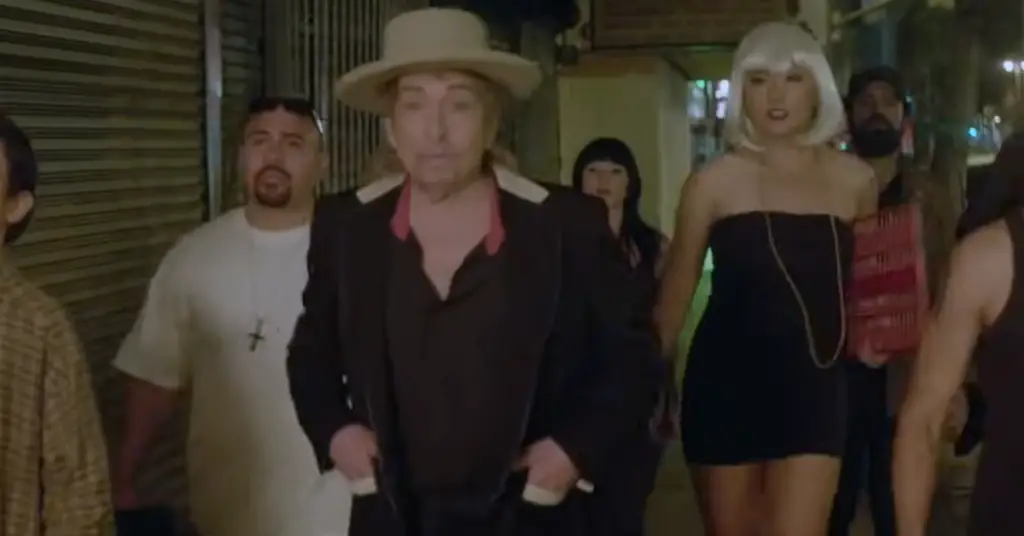
The music video, directed by Nash Edgerton, takes a darker, unexpected turn. It begins as a quirky, Chaplin-esque romance — a young man following a woman through the city — before spiraling into chaos and violence. It’s jarring but brilliant, capturing the same tonal shift that runs through the song.
Like much of Dylan’s work, it’s both funny and unsettling — a wink and a warning rolled into one.
A Fan’s Reflection
I remember listening to “Duquesne Whistle” while driving through the countryside, the sun setting and the road stretching out ahead. It felt cinematic — that mix of nostalgia and mystery that Dylan always nails.
It reminded me that Dylan’s magic isn’t just in the words — it’s in how he makes time feel elastic. The song sounds a hundred years old and brand new all at once.
Why Duquesne Whistle Keeps Rolling
More than a decade after its release, “Duquesne Whistle” still stands as one of Bob Dylan’s great modern works — playful yet profound, steeped in history but always looking forward.
It’s the perfect metaphor for Dylan himself: still moving, still unpredictable, still full of steam. When that whistle blows, you know it’s him — rolling down the track, one step ahead of everyone else.

Facebook Comments