
The Police – Roxanne: The Love Song That Broke Every Rule
When Punk Learned to Fall in Love
In 1978, amidst the jagged edges of punk and the rise of new wave, The Police did something few expected — they released a love song. But “Roxanne” wasn’t sweet, safe, or sentimental. It was raw, desperate, and full of emotion. It was the moment when Sting, Andy Summers, and Stewart Copeland proved that punk energy could have a heart.
The first time I heard “Roxanne” — that haunting guitar chord followed by Sting’s falsetto cry — it stopped me in my tracks. It didn’t sound like anything else from that era. It sounded alive.
The Story Behind the Song
Sting wrote “Roxanne” after the band stayed near the red-light district in Paris. The song’s narrator falls for a woman he knows he can’t save — a modern twist on an age-old story of love, vulnerability, and moral conflict.
The name “Roxanne” came from a poster of the play Cyrano de Bergerac hanging in their hotel. It fit perfectly: a name that sounded romantic, tragic, and unforgettable.
Originally written as a bossa nova, the song found its shape when The Police turned it into a reggae-tinged rock track — a blend of melancholy and rhythm that became their signature sound.
The Music: Simplicity That Burns Slow
“Roxanne” begins with that famous off-key piano chord (accidentally played and kept in the mix) before launching into Andy Summers’ sparse, stinging guitar riff. Stewart Copeland’s drumming is deceptively minimal, giving the song its heartbeat without ever overpowering it.
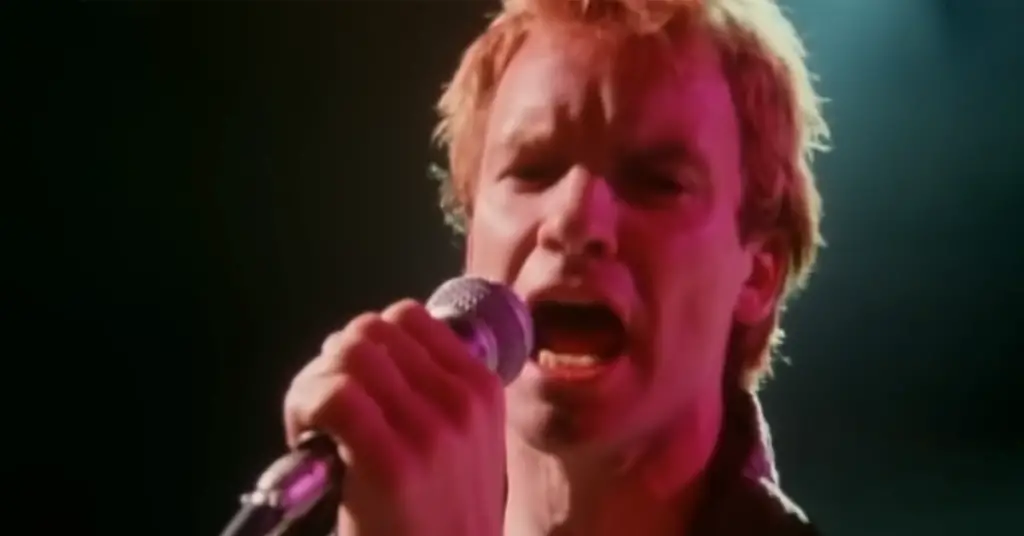
And then there’s Sting’s voice — pleading, soaring, and cracking with real emotion. He doesn’t sing at Roxanne; he begs her to listen, even though he knows she won’t. That vulnerability is what made the song timeless.
The Lyrics: Passion on the Edge of Pain
It’s not a typical love song — it’s more like a confession whispered in the dark.
“Roxanne, you don’t have to put on the red light / Those days are over, you don’t have to sell your body to the night.”
There’s empathy and heartbreak in every line. The narrator isn’t judging — he’s aching, helplessly in love with someone whose world he can’t enter.
That mix of tenderness and frustration gave “Roxanne” a depth rarely heard in rock at the time.
The Breakthrough Moment
When “Roxanne” was first released, it barely made a dent on the charts. But radio DJs kept spinning it, drawn to its unique rhythm and emotional punch. By 1979, after The Police broke through with Outlandos d’Amour, the song became their calling card — the one that turned three struggling musicians into international stars.
It’s since become a classic — not just of The Police, but of late-’70s rock itself.
A Fan’s Reflection
I remember hearing “Roxanne” late one night and realizing how timeless it sounded. It wasn’t trapped in any genre. It was punk, it was reggae, it was pop — but most of all, it was human.
That mix of melancholy and melody hits just as hard today as it did then. It’s the kind of song that makes you think of the people you couldn’t reach, the love that never quite fit, and the words you wish you’d said.
Why Roxanne Still Stings
More than four decades later, “Roxanne” remains one of the most powerful songs about love and longing ever written. It’s a song that lives in the gray area — between desire and despair, compassion and frustration.
For me, it’s The Police at their absolute best — sparse, soulful, and emotionally fearless. “Roxanne” isn’t just a love song; it’s a reminder that sometimes caring deeply means standing outside the door, still calling their name.

Facebook Comments