Fb-Button
Rolling Stones Archives - I Love Blues Guitar
I Love Blues Guitar

Tag: Rolling Stones

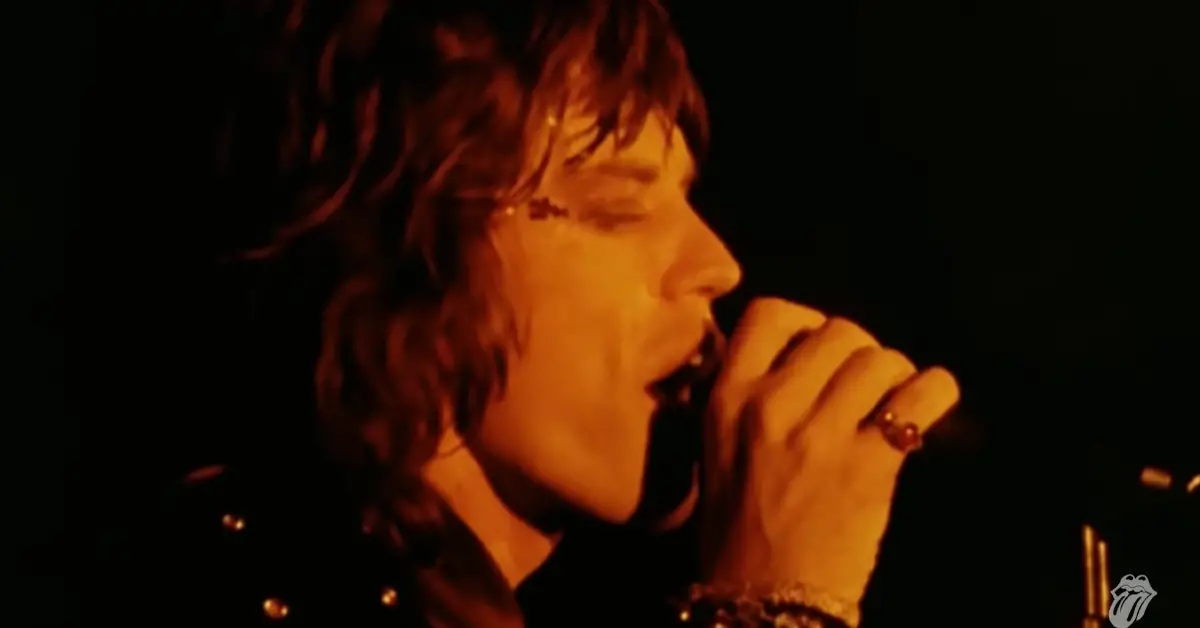
  • The Rolling Stones – Love In Vain

    The Rolling Stones – Love In Vain

    The Rolling Stones – Love in Vain: A Blues Heartbreaker Reimagined

    When the Stones Went Back to the Blues

    The Rolling Stones have always been rooted in the blues, but “Love in Vain” — their 1969 take on a Robert Johnson song — is one of the purest examples of that connection. Nestled on the Let It Bleed album, it stands out as a quiet moment of sorrow on a record filled with swagger, grit, and apocalyptic energy.

    Hearing Mick Jagger deliver it for the first time, I realized this wasn’t the sneering frontman of “Street Fighting Man” or “Jumpin’ Jack Flash.” This was a man laying his heartbreak bare.

    From Robert Johnson to the Rolling Stones

    The song originally appeared in the 1930s, written and recorded by blues legend Robert Johnson. His version was stark, haunted, and full of longing — a man watching his love disappear down the line.

    When the Stones reimagined it, they didn’t try to outdo Johnson’s rawness. Instead, they leaned into acoustic guitars, mandolin, and a country-blues vibe that fit perfectly with the late-’60s roots revival.

    The Sound: Stripped Down and Soulful

    Keith Richards’ acoustic guitar anchors the track, weaving around Mick Taylor’s elegant slide guitar. Ry Cooder also reportedly influenced the arrangement, giving it a mournful depth. The stripped-back sound makes Jagger’s vocal ache all the more convincing.

    It’s one of those Stones tracks where less is more. No big riffs, no stadium singalong chorus — just mood, texture, and honesty.

    A Fan’s Reflection

    The first time I spun Let It Bleed, I expected the big songs — “Gimme Shelter,” “You Can’t Always Get What You Want.” But it was “Love in Vain” that stopped me cold. I replayed it over and over, drawn in by the quiet sadness.

    Later, when I saw live footage of the Stones performing it in the early ’70s, I realized how much the song resonated with fans. It wasn’t about spectacle; it was about connection.

    Why Love in Vain Endures

    For all their swagger and excess, “Love in Vain” proves the Stones never lost touch with their blues roots. It showed they could channel heartbreak just as powerfully as rebellion.

    More than 50 years on, the song still cuts deep. It’s a reminder that sometimes the Stones’ greatest strength wasn’t in being the “greatest rock and roll band in the world” — but in being honest students of the blues, capable of breaking your heart with just a few chords.

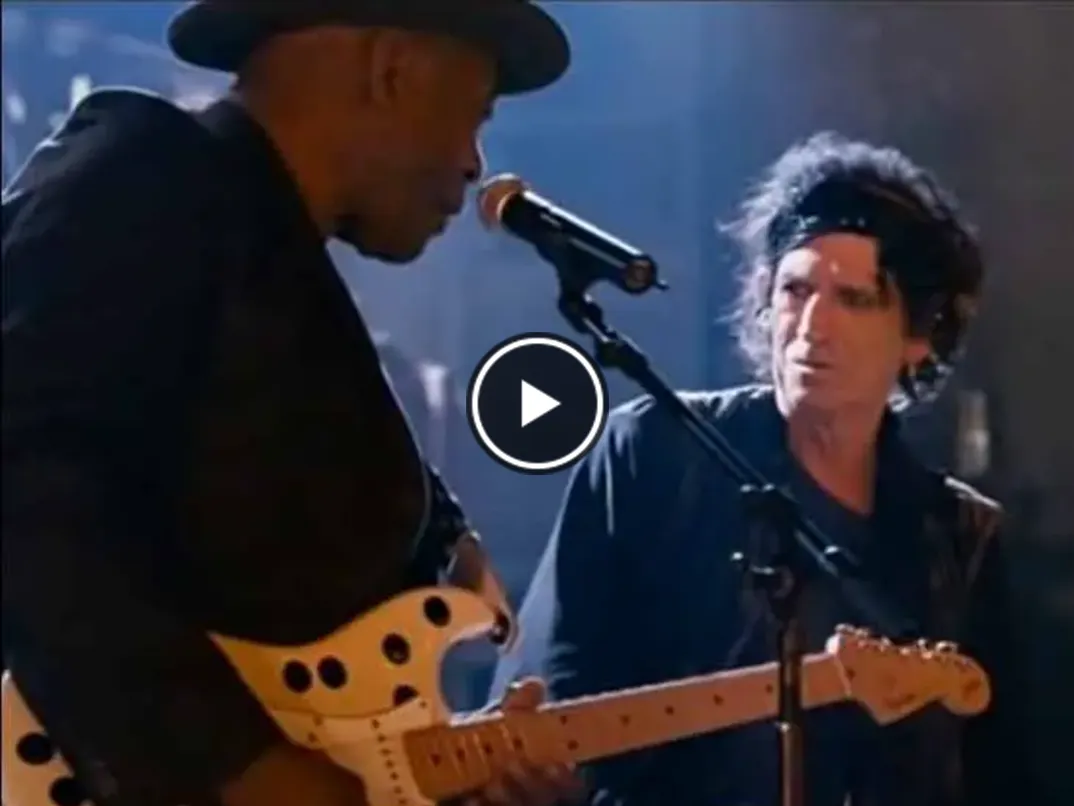
  • Buddy Guy and Rolling Stones – Champagne & Reefer

    Buddy Guy and Rolling Stones – Champagne & Reefer

    Buddy Guy

    Five-time Grammy Award winner and one of the greatest American blues and rock guitarists and singers. Geroge “Buddy” Guy was born on July 30, 1936 in Lettsworth, Lujzjana.
    Buddy Guy began performing in the early 1950s. When he moved to Chicago in 1957, his greatest inspiration was Muddy Waters, the champion of the Chicago scene. A year later, he managed to sign a record deal with the well-known Chess label. During this time, he also recorded with Junior Wells.
    However, the times spent on Chess Records were not the best for Buddy Guy – the artist did not find there understanding for his unique style, similar in sound to live performances. The only album he recorded at that time was “Left My Blues In San Francisco”. On Chess Records, Guy was active primarily as a session musician, having the pleasure of recording with artists such as Muddy Waters, Koko Taylor and Howlin ‘Wolf.

    Buddy in Great Britain

    The reputation of Buddy Guy was also known in Great Britain, where he first came in 1965. The scene was soaking up the inspiration of the American blues. Guy was one of the favorites of rockers such as Jeff Beck and Eric Clapton. After years of disappointment, the musician finally ended up being an accomplice with the Chess label. He moved to Vanguard, where he released, among others “Blues Today” or “Hot and Cool”.

    The artist’s career, however, did not reach the extent it certainly deserved. Despite the fact that he greatly inspired the blues-rock scene, she triumphed without him. Over the next two decades, the musician experienced a situation that happens to many great creators. Visionaries and artists who pave the way, are eclipsed by followers who claim fame, success and money.

    A positive breakthrough in the career of Buddy Guy took place in the late 1980s, when blues music began to experience a revival. The support he received from Eric Clapton, who invited him to perform with other guitarists at a show in London, was also important. During this time, he recorded successfully for the Silvertone label.

    I like the way the rhythm section has a raw grungy sound to it, epitomizes the background scenery of the film Chicago Blues.

    You can’t beat some raw Chicago Blues. Buddy is a rare specimen: supreme guitarist and a great singer in one!

  • Buddy Guy and Rolling Stones – Champagne & Reefer

    Buddy Guy and Rolling Stones – Champagne & Reefer

    Engage your senses: Press play on the video, then stimulate your brain with the article.

    Buddy Guy

    Five-time Grammy Award winner and one of the greatest American blues and rock guitarists and singers. Geroge “Buddy” Guy was born on July 30, 1936 in Lettsworth, Lujzjana.
    Buddy Guy began performing in the early 1950s. When he moved to Chicago in 1957, his greatest inspiration was Muddy Waters, the champion of the Chicago scene. A year later, he managed to sign a record deal with the well-known Chess label. During this time, he also recorded with Junior Wells.
    However, the times spent on Chess Records were not the best for Buddy Guy – the artist did not find there understanding for his unique style, similar in sound to live performances. The only album he recorded at that time was “Left My Blues In San Francisco”. On Chess Records, Guy was active primarily as a session musician, having the pleasure of recording with artists such as Muddy Waters, Koko Taylor and Howlin ‘Wolf.

    Buddy in Great Britain

    The reputation of Buddy Guy was also known in Great Britain, where he first came in 1965. The scene was soaking up the inspiration of the American blues. Guy was one of the favorites of rockers such as Jeff Beck and Eric Clapton. After years of disappointment, the musician finally ended up being an accomplice with the Chess label. He moved to Vanguard, where he released, among others “Blues Today” or “Hot and Cool”.

    The artist’s career, however, did not reach the extent it certainly deserved. Despite the fact that he greatly inspired the blues-rock scene, she triumphed without him. Over the next two decades, the musician experienced a situation that happens to many great creators. Visionaries and artists who pave the way, are eclipsed by followers who claim fame, success and money.

    A positive breakthrough in the career of Buddy Guy took place in the late 1980s, when blues music began to experience a revival. The support he received from Eric Clapton, who invited him to perform with other guitarists at a show in London, was also important. During this time, he recorded successfully for the Silvertone label.

    I like the way the rhythm section has a raw grungy sound to it, epitomizes the background scenery of the film Chicago Blues.

    You can’t beat some raw Chicago Blues. Buddy is a rare specimen: supreme guitarist and a great singer in one!

    Buddy Guy and Rolling Stones – Champagne & Reefer
    Buddy Guy and Rolling Stones – Champagne & Reefer