Fb-Button
Big Jack Johnson Archives - I Love Blues Guitar
I Love Blues Guitar

Tag: Big Jack Johnson

  • Big Jack Johnson – Daddy, When is Mama Comin’ Home?

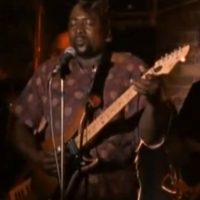
    Big Jack Johnson – Daddy, When is Mama Comin’ Home?

    The Oil Man of the Blues: Why Big Jack Johnson Still Lights My Fire

    Some blues hit you in the bones, some in the soul—and then there’s Big Jack Johnson, who hits you in both, and leaves your feet moving and your heart wide open. The first time I heard him, I was driving late at night, flipping through radio static when “Daddy, When Is Mama Comin’ Home?” came on. I had to pull over. That deep, rumbling voice, that sweet, stinging guitar—it was like hearing the Delta speak directly to me.

    Since then, Big Jack Johnson has never left my rotation—and never left my heart.


    Clarksdale’s Own Blues Powerhouse

    Big Jack Johnson came from Clarksdale, Mississippi, the cradle of the Delta blues. He didn’t just grow up in the blues—he lived it. Born in 1940, he worked as a truck driver and oil delivery man (hence his nickname, The Oil Man), hauling fuel by day and playing music by night. That kind of life doesn’t just give you stories—it becomes the story in your music.

    And let me tell you: Big Jack’s music is full of real-life grit, struggle, love, and joy. You can hear the work boots in his rhythm, the Mississippi heat in his solos, and the weight of generations in his voice.


    More Than Tradition—A Blues Innovator

    What blew me away about Big Jack was how he took the traditional Delta sound and supercharged it. He brought fire to it, fun to it, and funk to it. While other bluesmen might stick to the 12-bar form, Jack would throw in soul grooves, rock ‘n’ roll crunch, even a little country flavor when he felt like it.

    He could go from a slow burner like “Mama Talk to Your Daughter” to an all-out jam like “We Got to Stop This Killin’” without missing a beat. And through it all, his guitar sang in that unmistakable style—fat, funky, sharp as a razor.

    He wasn’t afraid to say something either. Jack often tackled real issues—poverty, violence, family, injustice. His 2002 album The Memphis Barbecue Sessions has a track called “Katrina” that still makes the hair stand up on my neck.


    The Jelly Roll Kings and Beyond

    Big Jack first made waves in the ‘70s as a founding member of The Jelly Roll Kings, alongside Frank Frost and Sam Carr. That trio was straight-up Delta fire. Their record Rockin’ the Juke Joint Down is still one of my favorites to this day—it’s greasy, it’s joyful, it’s got that juke joint magic you can feel in your bones.

    But Jack wasn’t content to stay in the background. His solo career took off in the ‘90s with albums like The Oil Man (1990), We Got to Stop This Killin’ (1996), and All the Way Back (2000). Every one of those records is a blues lover’s goldmine—raw, heartfelt, and 100% Jack.


    The Live Show I’ll Never Forget

    I saw Big Jack Johnson live once, in a small Mississippi club that felt like someone’s living room. He walked in with a big grin, shook hands with half the crowd, and then picked up his guitar like it was no big deal. But when he started playing—man—the place lit up like the Fourth of July.

    He didn’t just perform. He communicated. He laughed, he preached, he wailed. He’d hold a note on the guitar like it was hanging by a thread, then snap it back to life and get the crowd hollering. I remember thinking, this is what the blues is all about. Not perfection. Not polish. Power. Personality. Truth.


    Why Big Jack Still Matters

    In a blues world full of imitators, Big Jack Johnson was the real deal. He honored the Delta tradition but wasn’t bound by it. He kept it alive by evolving it—bringing in new sounds, new topics, and new energy.

    He passed away in 2011, but his influence runs deep. When I listen to young blues players today who blend soul, funk, and grit, I hear Big Jack in there. He paved that road. He hauled the oil and lit the flame.


    Where to Start if You’re New

    Here’s your crash course in the Oil Man’s blues:

    • 🔥 The Oil Man (1990) – The essential solo debut. Tough, funky, emotional.
    • 🥁 We Got to Stop This Killin’ (1996) – Blues with a message and a heartbeat.
    • 🎸 All the Way Back (2000) – Soulful and sharp, a modern blues masterclass.
    • 🎶 The Jelly Roll Kings – Rockin’ the Juke Joint Down (1979) – Raw trio magic.

    You can also check out Live in Chicago, which captures his stage energy beautifully.


    Big Jack Johnson didn’t just keep the Delta blues alive—he electrified it, funked it up, and gave it a new soul. If you like your blues real, raw, and ready to groove, the Oil Man is your guy. And once he grabs you, he won’t let go.

    Thank You

    We appreciate your time and dedication to reading our article. For more of the finest blues guitar music, make sure to follow our Facebook page, “I Love Blues Guitar”. We share exceptional selections every day. Thank you once again for your continued support and readership.

  • Big Jack Johnson – The Blues Is Alright

    Big Jack Johnson – The Blues Is Alright

    The Oil-Soaked Blues: How Big Jack Johnson Brought the Delta Into the 21st Century

    The first time I heard Big Jack Johnson, I thought the speakers were going to blow. It was “I’m a D.J. for the Blues,” and right away I could feel it—this wasn’t a museum piece. This was living, sweating, grooving, electric Delta blues.

    Here was a guy from the old school, but with both boots planted in the now. You could smell the juke joint sweat. You could feel the pickup truck rumble. And that voice—gruff, gritty, with a truth-telling rasp—grabbed me and didn’t let go.


    The Blues From the Garage and the Gas Station

    Born in Lambert, Mississippi, in 1940, Big Jack Johnson was the real deal. He wasn’t just from the Delta—he lived it. During the day, he worked as a truck driver and mechanic. At night, he played the blues that came straight from the oil-stained floor of life.

    He started out playing bass with Sam Carr and Frank Frost in the legendary Jelly Roll Kings, a down-and-dirty Delta blues trio that shook up the Southern juke joint scene. But when he picked up the electric guitar and stepped out on his own, that’s when Big Jack really came into focus—loud, proud, and deep in the pocket.


    The Sound: Dirty, Funky, and Full of Fire

    Big Jack’s music is Delta blues electrified—not polished, not pretty, but pure and pulsing with life. He played a Telecaster through a blown-out amp, cooked up with slide licks, hot riffs, and rhythms that swung like a hammer.

    His style mixed Chicago blues bite with Mississippi swamp heat, and always with a deep, pulsing groove. He could slow it down with aching emotion, or crank it up and get the whole room dancing. And his vocals? Gravelly, forceful, honest. He sounded like someone who’d worked hard, hurt hard, and earned the right to sing about it.


    Albums That Hit Me Like a Sledgehammer

    If you’re new to Big Jack, these albums are the real grease and grit:

    • 🎸 The Oil Man (1987) – His first solo LP and a modern Delta classic. Gutsy, groovy, and raw. The title says it all.
    • 🔥 Live in Chicago (1997) – As real as it gets. One of the most electrifying live blues records I’ve ever heard.
    • 💿 We Got to Stop This Killing (2000) – Deep blues with a social conscience. Hard truths wrapped in hard grooves.
    • 🎶 Memphis Barbecue Sessions (2002) – Down-home, stripped-back, and soulful. Like a late-night porch jam.
    • 🕯️ Jelly Roll Kings – Rockin’ the Juke Joint Down (1979) – Where it all started. Gritty, glorious Delta blues trio magic.

    Seeing Big Jack Live: Blues That Bleeds

    I never got to see Big Jack live, but I’ve heard the tapes—and you can feel the floorboards shake. He played like a man with something to prove, every time. No gimmicks. No posing. Just pure Mississippi power coming through every string and every stomp.

    And when he’d step up and holler a line like “I’m the oil man, baby!”, you believed him. Because he was.


    Why Big Jack Johnson Still Matters

    Big Jack kept real Delta blues alive when it could’ve easily disappeared. He didn’t chase trends. He didn’t play dress-up. He brought the heart and hustle of juke joint life to the big stage—without ever selling it out.

    He also stood out as one of the few electric bluesmen who also tackled real issues—poverty, racism, gun violence—and still kept the crowd grooving. He showed that the blues could tell the truth and still party.

    And above all, he proved you don’t need a big label or a big city to make big music. Just a guitar, a groove, and a fire that won’t go out.


    Where to Start If You’re New

    Grease up and jump in:

    • 🎧 The Oil Man – The perfect entry point.
    • 💿 Live in Chicago – For the raw, raging spirit of Big Jack on stage.
    • 🔥 We Got to Stop This Killing – For blues with a message.
    • 📺 YouTube: Search “Big Jack Johnson live” or “Jelly Roll Kings Rockin’ the Juke Joint Down” to see the man and his roots in action.

    More at Fat Possum Records or through Delta blues archives and documentaries like Deep Blues.


    Big Jack Johnson didn’t just keep the Delta sound alive—he kicked it up, cranked it loud, and poured his life into every note. If you want the blues that smells like diesel fuel, tastes like barbecue smoke, and hits like a hammer to the chest—this is your guy.

  • Big Jack Johnson – Catfish Blues

    Big Jack Johnson – Catfish Blues

    Big Jack Johnson: The Delta Bluesman Who Electrified Tradition

    Big Jack Johnson was a Mississippi-born blues guitarist and singer whose electrifying style and powerful voice made him a standout figure in modern Delta blues. Known for blending deep-rooted tradition with bold innovation, Johnson earned the nickname “The Oil Man” from his day job delivering oil—a fitting title for someone who fueled the blues with raw energy and soul.


    Early Life and Musical Roots

    Born Jack N. Johnson on July 30, 1940, in Lambert, Mississippi, he was one of 18 children in a sharecropping family. His father, Ellis Johnson, was a local musician who played fiddle and mandolin, exposing young Jack to a mix of blues and country music. By age 13, Jack was playing guitar alongside his father, and by 18, he had transitioned to electric guitar, inspired by the urban sound of B.B. King.


    The Jelly Roll Kings and Rise to Fame

    In 1962, Johnson joined forces with harmonica player Frank Frost and drummer Sam Carr to form the Jelly Roll Kings. The trio became known for their gritty, juke-joint blues sound, recording albums like “Hey Boss Man!” (1962) and “My Back Scratcher” (1966). Johnson’s first recordings as a vocalist appeared on the 1979 album “Rockin’ the Juke Joint Down,” marking the beginning of his emergence as a frontman.


    Solo Career and Social Commentary

    Johnson launched his solo career with the 1987 album “The Oil Man,” showcasing his robust guitar work and soulful vocals. He didn’t shy away from addressing pressing social issues in his music. His 1991 album “Daddy, When Is Mama Comin’ Home?” tackled topics like AIDS, domestic violence, and war, reflecting his commitment to using blues as a vehicle for commentary.


    Awards and Collaborations

    Throughout his career, Johnson received several accolades, including a W.C. Handy Award in 2003 for Best Acoustic Blues Album for “The Memphis Barbecue Sessions.” He collaborated with artists like Kim Wilson and Pinetop Perkins, further cementing his status in the blues community.


    Legacy and Influence

    Big Jack Johnson passed away on March 14, 2011, in Memphis, Tennessee, after a period of declining health. He left behind a rich legacy that continues to influence blues musicians today. His contributions are commemorated with a marker on the Mississippi Blues Trail in Clarksdale, honoring his role in keeping Delta blues alive and evolving.


    Meta Description:

    Explore the life and legacy of Big Jack Johnson, the Mississippi bluesman who electrified Delta blues with his powerful guitar work and socially conscious lyrics.


    Thank You

    We appreciate your time and dedication to reading our article. For more of the finest blues guitar music, make sure to follow our Facebook page, “I Love Blues Guitar”. We share exceptional selections every day. Thank you once again for your continued support and readership.


  • Big Jack Johnson – The Blues Is Alright

    Big Jack Johnson – The Blues Is Alright

    Big Jack Johnson – The Blues Is Alright

    The Oil-Soaked Blues: How Big Jack Johnson Brought the Delta Into the 21st Century

    The first time I heard Big Jack Johnson, I thought the speakers were going to blow. It was “I’m a D.J. for the Blues,” and right away I could feel it—this wasn’t a museum piece. This was living, sweating, grooving, electric Delta blues.

    Here was a guy from the old school, but with both boots planted in the now. You could smell the juke joint sweat. You could feel the pickup truck rumble. And that voice—gruff, gritty, with a truth-telling rasp—grabbed me and didn’t let go.


    The Blues From the Garage and the Gas Station

    Born in Lambert, Mississippi, in 1940, Big Jack Johnson was the real deal. He wasn’t just from the Delta—he lived it. During the day, he worked as a truck driver and mechanic. At night, he played the blues that came straight from the oil-stained floor of life.

    He started out playing bass with Sam Carr and Frank Frost in the legendary Jelly Roll Kings, a down-and-dirty Delta blues trio that shook up the Southern juke joint scene. But when he picked up the electric guitar and stepped out on his own, that’s when Big Jack really came into focus—loud, proud, and deep in the pocket.


    The Sound: Dirty, Funky, and Full of Fire

    Big Jack’s music is Delta blues electrified—not polished, not pretty, but pure and pulsing with life. He played a Telecaster through a blown-out amp, cooked up with slide licks, hot riffs, and rhythms that swung like a hammer.

    His style mixed Chicago blues bite with Mississippi swamp heat, and always with a deep, pulsing groove. He could slow it down with aching emotion, or crank it up and get the whole room dancing. And his vocals? Gravelly, forceful, honest. He sounded like someone who’d worked hard, hurt hard, and earned the right to sing about it.


    Albums That Hit Me Like a Sledgehammer

    If you’re new to Big Jack, these albums are the real grease and grit:

    • 🎸 The Oil Man (1987) – His first solo LP and a modern Delta classic. Gutsy, groovy, and raw. The title says it all.
    • 🔥 Live in Chicago (1997) – As real as it gets. One of the most electrifying live blues records I’ve ever heard.
    • 💿 We Got to Stop This Killing (2000) – Deep blues with a social conscience. Hard truths wrapped in hard grooves.
    • 🎶 Memphis Barbecue Sessions (2002) – Down-home, stripped-back, and soulful. Like a late-night porch jam.
    • 🕯️ Jelly Roll Kings – Rockin’ the Juke Joint Down (1979) – Where it all started. Gritty, glorious Delta blues trio magic.

    Seeing Big Jack Live: Blues That Bleeds

    I never got to see Big Jack live, but I’ve heard the tapes—and you can feel the floorboards shake. He played like a man with something to prove, every time. No gimmicks. No posing. Just pure Mississippi power coming through every string and every stomp.

    And when he’d step up and holler a line like “I’m the oil man, baby!”, you believed him. Because he was.


    Why Big Jack Johnson Still Matters

    Big Jack kept real Delta blues alive when it could’ve easily disappeared. He didn’t chase trends. He didn’t play dress-up. He brought the heart and hustle of juke joint life to the big stage—without ever selling it out.

    He also stood out as one of the few electric bluesmen who also tackled real issues—poverty, racism, gun violence—and still kept the crowd grooving. He showed that the blues could tell the truth and still party.

    And above all, he proved you don’t need a big label or a big city to make big music. Just a guitar, a groove, and a fire that won’t go out.


    Where to Start If You’re New

    Grease up and jump in:

    • 🎧 The Oil Man – The perfect entry point.
    • 💿 Live in Chicago – For the raw, raging spirit of Big Jack on stage.
    • 🔥 We Got to Stop This Killing – For blues with a message.
    • 📺 YouTube: Search “Big Jack Johnson live” or “Jelly Roll Kings Rockin’ the Juke Joint Down” to see the man and his roots in action.

    More at Fat Possum Records or through Delta blues archives and documentaries like Deep Blues.


    Big Jack Johnson didn’t just keep the Delta sound alive—he kicked it up, cranked it loud, and poured his life into every note. If you want the blues that smells like diesel fuel, tastes like barbecue smoke, and hits like a hammer to the chest—this is your guy.

  • Big Jack Johnson – Catfish Blues

    Big Jack Johnson – Catfish Blues

    Big Jack Johnson – Catfish Blues
    Big Jack Johnson – Catfish Blues

    Big Jack Johnson: The Delta Bluesman Who Electrified Tradition

    Big Jack Johnson was a Mississippi-born blues guitarist and singer whose electrifying style and powerful voice made him a standout figure in modern Delta blues. Known for blending deep-rooted tradition with bold innovation, Johnson earned the nickname “The Oil Man” from his day job delivering oil—a fitting title for someone who fueled the blues with raw energy and soul.


    Early Life and Musical Roots

    Born Jack N. Johnson on July 30, 1940, in Lambert, Mississippi, he was one of 18 children in a sharecropping family. His father, Ellis Johnson, was a local musician who played fiddle and mandolin, exposing young Jack to a mix of blues and country music. By age 13, Jack was playing guitar alongside his father, and by 18, he had transitioned to electric guitar, inspired by the urban sound of B.B. King.


    The Jelly Roll Kings and Rise to Fame

    In 1962, Johnson joined forces with harmonica player Frank Frost and drummer Sam Carr to form the Jelly Roll Kings. The trio became known for their gritty, juke-joint blues sound, recording albums like “Hey Boss Man!” (1962) and “My Back Scratcher” (1966). Johnson’s first recordings as a vocalist appeared on the 1979 album “Rockin’ the Juke Joint Down,” marking the beginning of his emergence as a frontman.


    Solo Career and Social Commentary

    Johnson launched his solo career with the 1987 album “The Oil Man,” showcasing his robust guitar work and soulful vocals. He didn’t shy away from addressing pressing social issues in his music. His 1991 album “Daddy, When Is Mama Comin’ Home?” tackled topics like AIDS, domestic violence, and war, reflecting his commitment to using blues as a vehicle for commentary.


    Awards and Collaborations

    Throughout his career, Johnson received several accolades, including a W.C. Handy Award in 2003 for Best Acoustic Blues Album for “The Memphis Barbecue Sessions.” He collaborated with artists like Kim Wilson and Pinetop Perkins, further cementing his status in the blues community.


    Legacy and Influence

    Big Jack Johnson passed away on March 14, 2011, in Memphis, Tennessee, after a period of declining health. He left behind a rich legacy that continues to influence blues musicians today. His contributions are commemorated with a marker on the Mississippi Blues Trail in Clarksdale, honoring his role in keeping Delta blues alive and evolving.


    Thank You

    We appreciate your time and dedication to reading our article. For more of the finest blues guitar music, make sure to follow our Facebook page, “I Love Blues Guitar”. We share exceptional selections every day. Thank you once again for your continued support and readership.