
Pink Floyd – Time: A Masterpiece About the Moments We Miss
When the Clock Became the Mirror
There are songs that entertain — and then there are songs that make you stop, stare into the distance, and rethink your life. “Time” by Pink Floyd is one of those. Released in 1973 on the band’s landmark album The Dark Side of the Moon, it’s both a warning and a revelation.
The first time I heard those ticking clocks and heart-pounding drums, I didn’t realize I was about to get a life lesson disguised as a rock song. By the end, I sat there in silence, thinking, they’re right — time really does slip away when you’re not watching.
The Sound of Mortality
“Time” began as a jam session built around a simple concept: how easily we waste our youth without noticing. Roger Waters wrote the lyrics after realizing that life doesn’t announce when it’s happening — it just is.
That famous opening — dozens of ticking clocks and alarms — was the work of engineer Alan Parsons, who recorded real clocks from an antique store and synchronized them perfectly. It’s not just an intro; it’s an explosion of awareness.
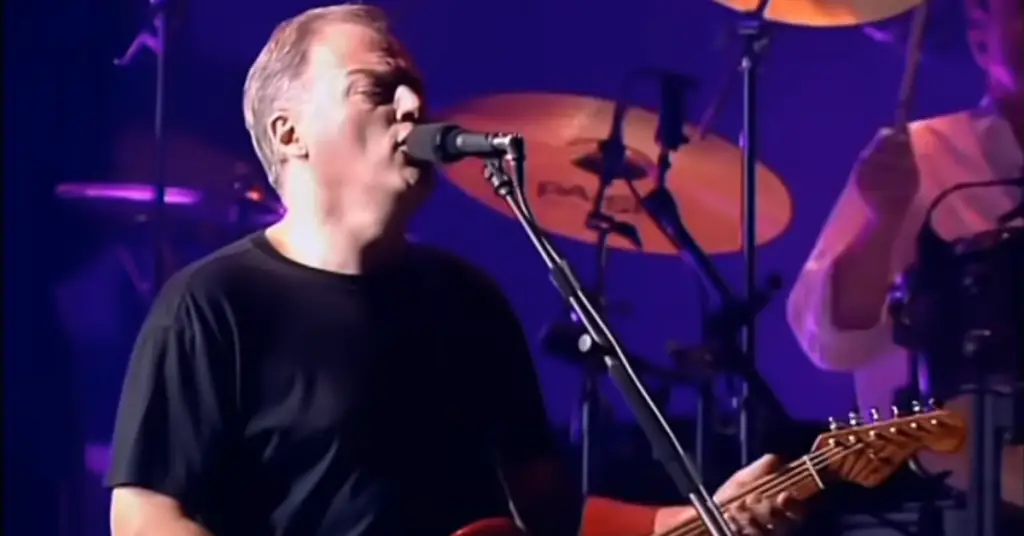
Then comes Nick Mason’s drumming, slow and deliberate, like the pulse of inevitability. David Gilmour’s guitar and Rick Wright’s keys intertwine to create that unmistakable Floydian vastness — melancholy wrapped in beauty.
The Lyrics: Time as the Real Thief
Waters’ lyrics are simple but devastating:
“And then one day you find, ten years have got behind you / No one told you when to run, you missed the starting gun.”
It’s not just about aging — it’s about awakening too late. The song doesn’t lecture; it empathizes. Every line feels like a conversation with your future self, full of regret and recognition.
And yet, it’s not hopeless. By acknowledging time’s power, there’s a quiet sense of liberation — a reminder to live now, not later.
The Music: Precision and Emotion
Musically, “Time” might be Pink Floyd’s most balanced masterpiece. It blends technical brilliance with emotional depth — Gilmour’s soaring guitar solo feels both triumphant and heartbreaking.
The rhythm shifts from calm introspection to roaring catharsis, perfectly mirroring the song’s message: time doesn’t move in a straight line; it rushes, slows, stops, and suddenly disappears.
When the song fades into “Breathe (Reprise),” it’s like exhaling after an existential storm — the moment of clarity after panic.
A Fan’s Reflection
I first listened to “Time” late at night with headphones, just as the clocks began to chime. It felt like the universe itself was speaking. By the time Gilmour’s solo hit, I wasn’t just hearing a song — I was feeling my own life unfolding in sound.
It’s one of those rare tracks that grows with you. When you’re young, it feels abstract. As you get older, it hits like truth.
Why Time Still Ticks in Every Generation
More than fifty years after its release, “Time” remains as relevant as ever. Its power lies in its honesty — there’s no fantasy here, just reflection. Pink Floyd captured the universal human condition: how we chase the future while the present quietly slips away.
For me, “Time” isn’t just a song — it’s a compass. It reminds us to wake up, to love, to move, to be. Because as Pink Floyd taught us, time waits for no one, and the clock’s been running all along.

Facebook Comments